What Is Veterinary Osteopathy? A Complete Guide for Pet Owners
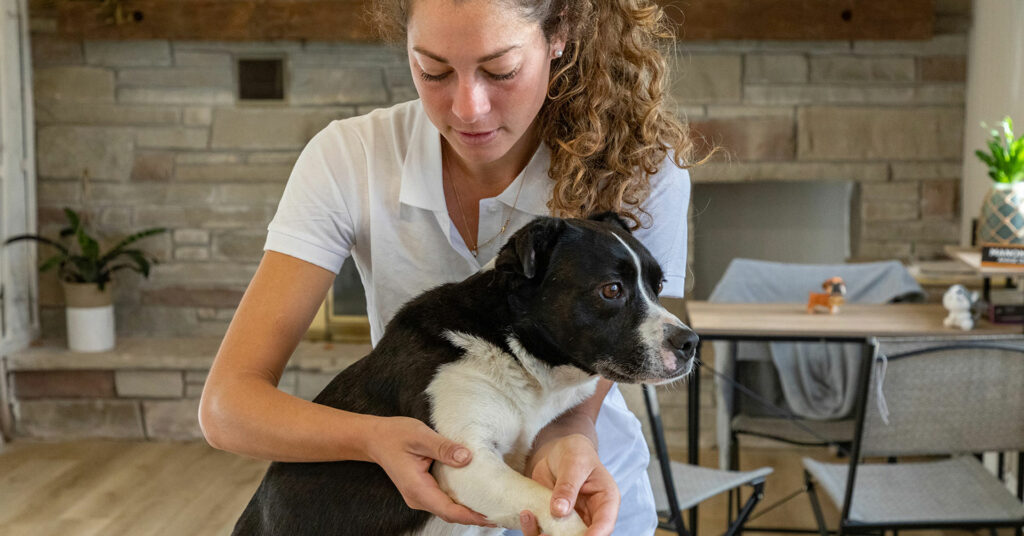
Your dog limps after a long walk. Your cat has stopped jumping onto the sofa. Your horse seems stiff before every ride. These are the kinds of signs that leave pet owners worried, and often searching for answers beyond conventional medicine. Veterinary osteopathy is gaining recognition worldwide as a gentle, drug-free approach to treating musculoskeletal and neurological issues in animals. But what exactly does it involve, and could it help your pet? This guide covers everything you need to know, from what the therapy is to what a session looks like in practice.
What Is Veterinary Osteopathy, and Where Does It Come From?
Veterinary osteopathy is a hands-on, manual therapy that focuses on the body’s structure (bones, joints, muscles, fascia, and connective tissue) and its relationship to overall health and function. The underlying philosophy is simple: when the body’s structures move freely and are properly aligned, the body is better equipped to heal itself and maintain well-being.
Osteopathy was first developed in the 1870s by American physician Andrew Taylor Still, who believed that mechanical dysfunction in the body could disrupt blood flow, nerve function, and organ health. His principles were later applied to animals, giving rise to what we now call animal osteopathy. Today, the field is practised across Europe, North America, and Australia by specially trained therapists, many of whom hold dual qualifications in both osteopathy and veterinary science or physiotherapy.
It’s worth being clear about what animal osteopathy, or dog osteopathy is not. It is not chiropractic care, though the two share some similarities. It is not acupuncture, massage, or physiotherapy, though it may complement all of these. Osteopathy addresses the body as an integrated whole rather than treating isolated symptoms. A therapist working on a dog with a sore hip, for instance, will also assess the spine, neck, and even the jaw, because tension in one area often radiates elsewhere.
Which Animals and Conditions Can Benefit?
Veterinary osteopathy is used across a wide range of species, dogs, cats, horses, rabbits, and even small mammals like guinea pigs. The most common patients are dogs and horses, simply because these animals tend to lead more physically demanding lives and sustain more musculoskeletal strain over time.
The conditions that respond well to animal osteopathy include: back and neck pain, lameness or stiffness, post-surgical recovery, compensatory tension following an injury, behavioural changes linked to discomfort, poor performance in working or sporting animals, and age-related mobility issues. According to a 2020 review published in the Journal of Veterinary Behaviour, manual therapies including osteopathy showed measurable improvements in gait quality and pain indicators in dogs with chronic musculoskeletal conditions.
Cats are often overlooked in this context, yet they are excellent candidates for osteopathic care. A cat that has stopped grooming its lower back, avoids climbing stairs, or reacts sharply when touched along the spine may be experiencing chronic discomfort that goes undetected because cats are so skilled at hiding pain. A careful osteopathic assessment can reveal these hidden restrictions and address them gently.
One important point: veterinary osteopathy is not a replacement for veterinary diagnosis or emergency care. It works best alongside conventional veterinary treatment, not instead of it. Before beginning osteopathic sessions, your practitioner should ask for your pet’s veterinary history and, if necessary, liaise with your vet. A well-trained osteopath will always refer out if they suspect a condition requiring medical or surgical management.
What to Expect: A Typical Session and Long-Term Care
If you book your first animal osteopathy session, expect the initial appointment to last between 45 minutes and an hour. The practitioner will begin with a detailed history, how your pet moves, sleeps, eats, plays, and behaves, before conducting a standing observation and a hands-on assessment. They will gently feel along the spine, limbs, and skull, identifying areas of restricted motion, tension, or asymmetry.
The treatment itself involves a series of very gentle manual techniques: soft tissue release, articular mobilisation, craniosacral work, and fascial unwinding. Nothing is forced. For dogs and cats especially, the approach is slow and responsive, the practitioner follows the animal’s reactions moment by moment. Some animals relax so deeply during a session that they fall asleep. Others may be a little restless at first, particularly if they are in acute discomfort, but most settle quickly once they sense the touch is not threatening.
How many sessions your pet needs depends on their condition and age. Acute, recent issues often resolve in two to four sessions. Chronic conditions may require an ongoing maintenance programme, perhaps one session every six to eight weeks. Think of it the way you might think of physiotherapy for a human athlete: the goal is to restore function and then maintain it over time.
Key takeaways for pet owners:
- Veterinary osteopathy treats the whole body, not just the symptom, a restriction in the neck can cause problems in the hindquarters.
- It works best alongside conventional veterinary care: always share your pet’s full medical history with your osteopath.
- After a session, your pet may sleep more than usual, this is a good sign, indicating deep physical and neurological release.
Is Veterinary Osteopathy Right for Your Pet?
Veterinary osteopathy offers pet owners a science-informed, gentle alternative for managing pain, stiffness, and postural imbalances in animals. Whether your companion is a senior dog struggling with arthritis, a young sport horse recovering from a strain, or a cat whose behaviour has quietly shifted, animal osteopathy may offer relief where other approaches have fallen short. The key is finding a properly qualified practitioner, one who works transparently with your existing veterinary team. If you’re curious whether it could help your animal, the best first step is a conversation with a registered veterinary osteopathy practitioner, most offer a short initial consultation to assess suitability. Your pet can’t tell you they’re hurting, but their body is always communicating. Osteopathy is simply one more way of listening.
