Manon Turbé
Animal Rehabilitation in Canada
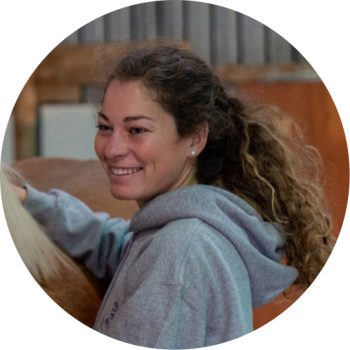
From my young age, I’ve been passionate about animals, today I have 13 in my care, dogs, cats, horses, birds and rabbits, and it’s not over… I try as much as possible to help abused, abandoned or familyless animals.
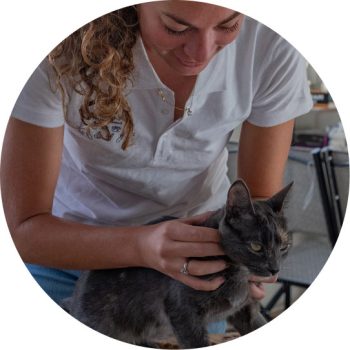
So I looked for a way to best help them in gentleness, understanding and listening. It was then that I found animal osteopathy, a very beneficial method of care without having the medicalized side (vaccines, bites, surgeries, euthanasia).
Since my graduation from the ESAO in 2020, I have been pleased to offer my services to the ATE (Territorial Environment Agency) of Saint Barthélémy in order to help injured wildlife so that it can return to its natural state. I had the chance to actively participate in the fitness of several iguanas and birds of different species, which were released to return to their previous lives
What is animal rehabilitation and when is it recommended?
Animal rehabilitation is a therapeutic process that helps pets and other animals recover from injury, surgery, or chronic conditions. It combines techniques like physiotherapy, hydrotherapy, and massage to restore mobility, reduce pain, and improve quality of life. It’s recommended after surgery, trauma, or for age-related mobility issues.
Upcoming trips
Appointments at the Clinic available from Monday to Friday. Address : 695 Middletown Road, Waterdown, L8B1P7
September 17th : Toronto, Oshawa, Cobourg
September 18th : Burlington
September 19th : Puslinch, Guelph
September 21st : Stevensville, Niagara
More dates & travel coming soon
please contact me for more information.
About osteopathy
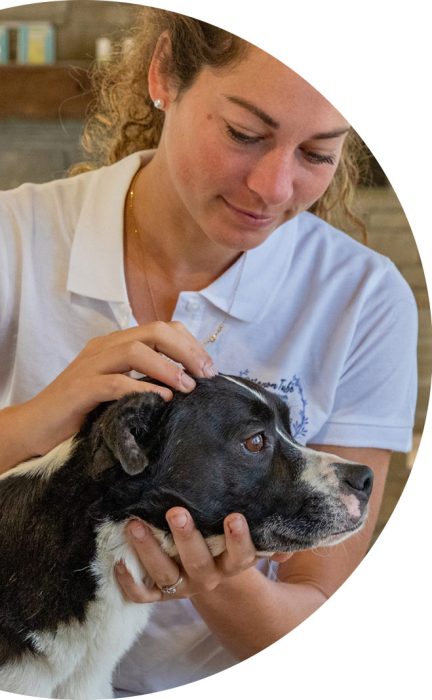
Osteopathy is a gentle and holistic manual medicine. She considers the patient as a whole. The role of osteopathy is to restore mobility in the different structures of the body such as: bones, muscles, tendons, ligaments, organs, the nervous and lymphatic system, blood circulation…
The goal is to act both preventively and curatively to restore the balance of the body. This therefore makes it possible to prevent compensation due to osteopathic dysfunctions and to improve the comfort of the animal during pathology already present.
The treatment of an animal is unique and adapted according to its needs. Thanks to the different trainings I have attended throughout my life, I am lucky to be able to choose the most appropriate treatments for each animal.
Its benefits
- At an early age: balanced growth, reduction/removal of plumb problems
- During old age: improved comfort, reduced risk of osteoarthritis and/or worsening
- Middle age: improvement of comfort, prevention of certain pathologies
- Sports animal: performance optimization, injury prevention, better recovery
- Pathological animal: support and assistance in keeping the animal in shape, stabilization of pathologies, reduction of the risk of aggravation
- Pre and post surgical: faster recovery, optimization of surgery, rehabilitation
- Breeding animals: increased fertility, removal of possible pain related to mating (male and female) and giving birth
For which animal?
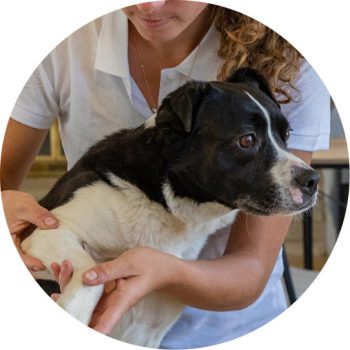
Dogs
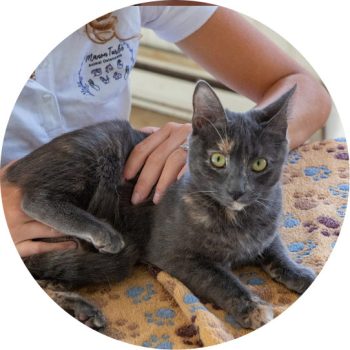
Cats
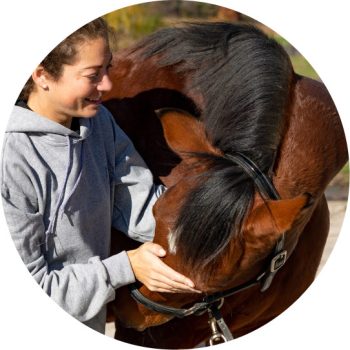
Horses
Where do I practice?
I practice in all Ontario. I am based in Waterdown, so I am practicing in nearby towns within a maximum of 1 hour drive regularly. (Puslinch, Milton, Campbellville, Brampton, Toronto, Kitchener, Guelph, Cambridge, Burlington, Hamilton).
I opened my own Clinic since August 2023, located at 695 Middletown Road, Waterdown, L8B1P7. I welcome small & medium animals (dogs and cats).
For further trips it will be by rounds with a minimum of animals required.
Regarding Northern Ontario, more specifically in the areas of Muskoka, Parry Sound, Nipissing, West Nipissing, Sudbury, Algoma and Renfrew County, Ottawa, I advise you to contact my partner Breanna Pearce directly.
I practice in the Caribbean on tours, mainly in the islands of Saint-Barthélémy and Sint-Maarten. I generally organize 4 to 5 rounds in the year or more depending on the needs of the animals. In Saint-Barthélémy I work at Clinique vétérinaire Centre de l’Oasis and at Clinique vétérinaire de Grand Case at Saint-Martin.
Prices
dog
90.40 CAD
cat
90.40 CAD
horse
146.90 CAD
- Prices vary depending on the species of animals and their location (HST are included).
- Travel costs to be expected.
- Possibility of making preferential rates for professionals with several animals to follow.
- For animal protection associations or shelters, prices are halved.
Contact / Book
What are the main criteria for comparing osteopathy for dogs, cats, and horses ?
| Criteria | Dogs | Cats | Horses |
|---|---|---|---|
| Anatomy & Structure | Focus on joints, spine, and muscular balance, especially in active or working dogs. | Requires gentle manipulation due to smaller size and high sensitivity. | Emphasis on spine, pelvis, and limbs—large-scale musculoskeletal adjustments. |
| Common Issues Treated | Mobility loss, arthritis, post-surgery recovery, sports injuries. | Stress, post-trauma stiffness, digestive or mobility issues. | Performance issues, lameness, back pain, gait asymmetry. |
| Session Frequency | Every 4–8 weeks depending on activity level. | Less frequent; only when symptoms appear or after injury. | Regular sessions during training or competition periods. |
| Techniques Used | Soft tissue release, joint mobilization, stretching. | Very gentle craniosacral or fascial work. | Deep manipulations, stretching, and muscular rebalancing. |
| Therapeutic Goal | Restore mobility and comfort, prevent chronic pain. | Maintain physical and emotional balance. | Improve movement efficiency and athletic performance. |
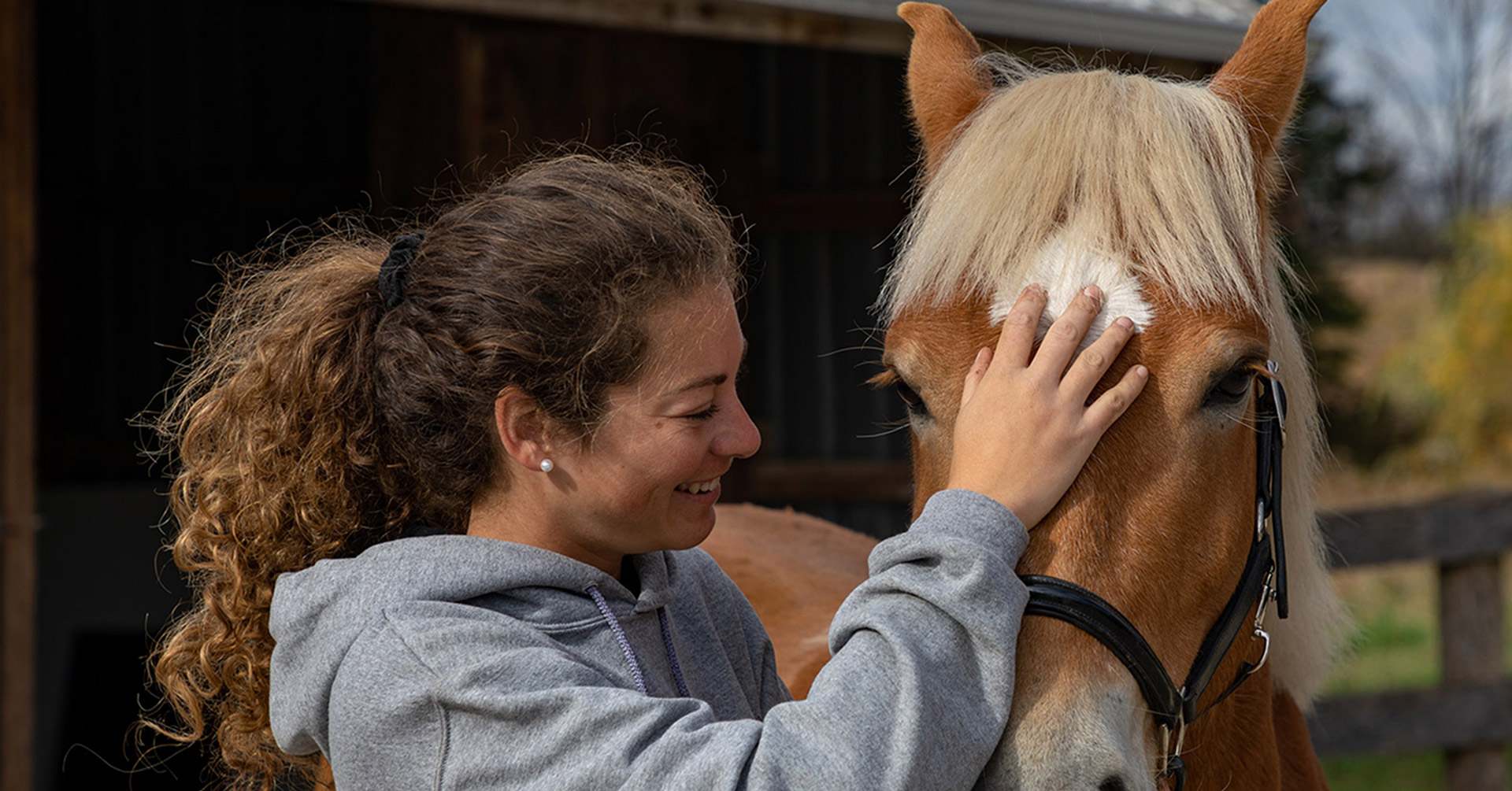
Animal rehabilitation helps restore mobility and strength after injury, surgery, or illness through physiotherapy, hydrotherapy, and massage techniques tailored to each animal’s needs.
Dog rehabilitation is ideal after surgery, trauma, or in senior dogs with arthritis to reduce pain and improve flexibility and daily comfort.
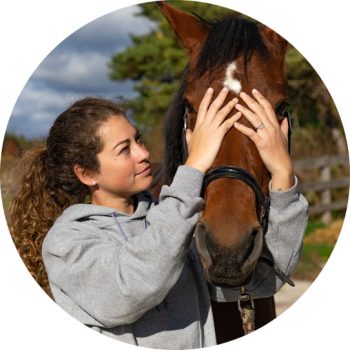
An equine osteopath restores balance and mobility in horses by manipulating joints and muscles to relieve tension, enhance performance, and prevent injuries.
Horse osteopathy focuses on manual techniques to restore natural movement, while traditional care relies more on medication and veterinary treatments.