What Is Animal Osteopathy? Definition, Benefits and Limits
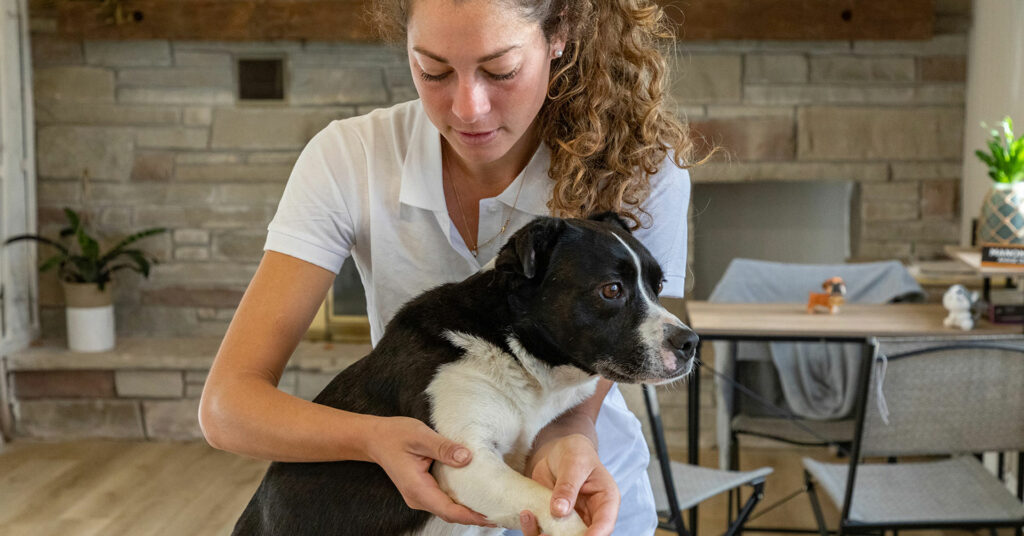
Animal osteopathy is a drug-free manual therapy that aims to support mobility and comfort in animals with functional musculoskeletal restrictions. Manimal, led by ESAO-certified animal osteopath Manon Turbé, helps Ontario pet and horse owners understand what this complementary practice can genuinely offer, and where its limits lie.
What Is Animal Osteopathy?
Animal osteopathy uses manual assessment and techniques to address functional musculoskeletal restrictions and support comfort and mobility. Derived from human osteopathy, founded in the 1870s by Andrew Taylor Still, it was adapted to horses, dogs, cats and other companion animals over the past three decades. Because animals cannot describe their pain, an osteopath relies on careful observation and manual palpation. An animal osteopath combines a case history, visual observation of gait and posture, and manual palpation to locate restricted joints or tense muscles, then applies gentle mobilisation to restore normal movement. Treatment is always carried out by hand, without instruments or medication, and Manimal’s approach to canine osteopathy shows how these principles apply in practice. Animal osteopathy is a complementary practice: it works alongside, not instead of, conventional veterinary medicine, and in several countries a referral or the veterinarian’s awareness is required before a session can take place.
What Are the Benefits of Animal Osteopathy?
Osteopathic care may help some animals by addressing functional restrictions, muscular tension and compensatory movement patterns, especially alongside veterinary care. Benefits differ by species and by the animal’s activity level.
For horses, equine osteopathy is mostly used to improve gait and range of motion, reduce muscular tension and support athletic performance in sport and leisure horses, including recovery after competition. For dogs, sessions often target pain relief, mobility support in ageing or arthritic animals, and faster recovery after surgery, particularly in working and sporting dogs.
For cats, feline osteopathy services tends to focus on reduced stiffness, gentle preventive care and support after trauma or orthopaedic issues, especially in senior cats. These outcomes are documented mainly through clinical practice; the section on limits below explains what the scientific literature currently supports.
Which Animals and Signs Call for a Consultation?
Lameness, sudden behaviour changes, reluctance to move, uneven gait and reduced performance are the most common signs that prompt owners to book an animal osteopathy consultation. Other frequent signs include stiffness after rest, especially in senior animals, reluctance to be touched in specific areas, and a noticeable drop in sport or performance level.
These signs do not replace a veterinary diagnosis: if an animal shows sudden, severe or worsening symptoms, a veterinary examination should always come first. Animal osteopathy is most useful once a serious medical cause has been ruled out, or alongside veterinary treatment for a musculoskeletal issue that has already been diagnosed.
At Manimal, a typical session lasts 45 to 60 minutes. Manon Turbé begins with a case history covering the animal’s symptoms, activity level and veterinary background, then observes it standing, walking and trotting to spot postural or gait asymmetries. She examines the joints, muscles and spine by hand to locate restriction or tension, applies gentle, targeted manipulation to mobilise the affected areas, and finishes with tailored advice on rest, exercise and follow-up frequency.
The Criteria to Check Before Choosing an Animal Osteopath
An animal osteopath should be judged on training, transparency and coordination with your veterinarian, not on price or availability alone. The table below lists what to verify before booking, especially for a first appointment.
What Are the Limits of Animal Osteopathy, and Why Choose Manimal?
Animal osteopathy is not a substitute for veterinary diagnosis or treatment, and its legal status varies by country. In France, animal osteopathy acts are formally classified as delegated veterinary acts, strictly regulated by decree; in the UK, the title “osteopath” is legally protected for treating humans only. For a closer look at how the practice fits alongside veterinary care, see our animal rehabilitation page.
The scientific evidence supporting animal osteopathy also remains limited: a 2021 peer-reviewed systematic review of manual therapy in veterinary medicine found only 14 quality-assessed studies published over four decades, mostly on horses, with variable methodological quality. This does not mean the practice is ineffective, but claims of guaranteed results should be treated with caution.
Manon Turbé, ESAO-certified animal osteopath practising in Ontario, works within these limits by being transparent about what osteopathy can and cannot do, coordinating with veterinarians whenever needed, and adapting each session to the animal’s real condition rather than promising a cure. She also travels periodically to Saint-Barthélemy and Sint-Maarten to support animals there.
Is animal osteopathy safe for my pet?
When performed by a qualified practitioner, animal osteopathy is a gentle, non-invasive therapy with minimal risk. The osteopath adapts pressure and technique to the animal’s size, age and condition, and always works alongside, not instead of, your veterinarian. Always mention any recent surgery, injury or health condition before the session begins.
Do I need a veterinary referral before booking an osteopathy session?
In several countries, including France, animal osteopathy is legally classified as a veterinary act, so a referral or your vet’s awareness is often required. Manimal recommends informing your veterinarian beforehand and will gladly coordinate care with them whenever needed for your pet’s safety.
How often should my horse or dog see an osteopath?
Most healthy animals benefit from a check-up two to four times a year, similar to a preventive maintenance visit. Senior animals, breeding females, and horses or dogs in intensive training or competition often need more frequent sessions, while animals recovering from injury or surgery follow a personalised plan.
Can animal osteopathy replace veterinary treatment?
No. Animal osteopathy is a complementary manual therapy, not a medical or surgical treatment. It cannot diagnose disease, prescribe medication or replace imaging and laboratory tests. It works best alongside conventional veterinary care, addressing musculoskeletal restrictions that may contribute to an animal’s discomfort or reduced mobility.
