Animal Rehabilitation: Osteopathy vs Physiotherapy — What’s Best for Your Pet?
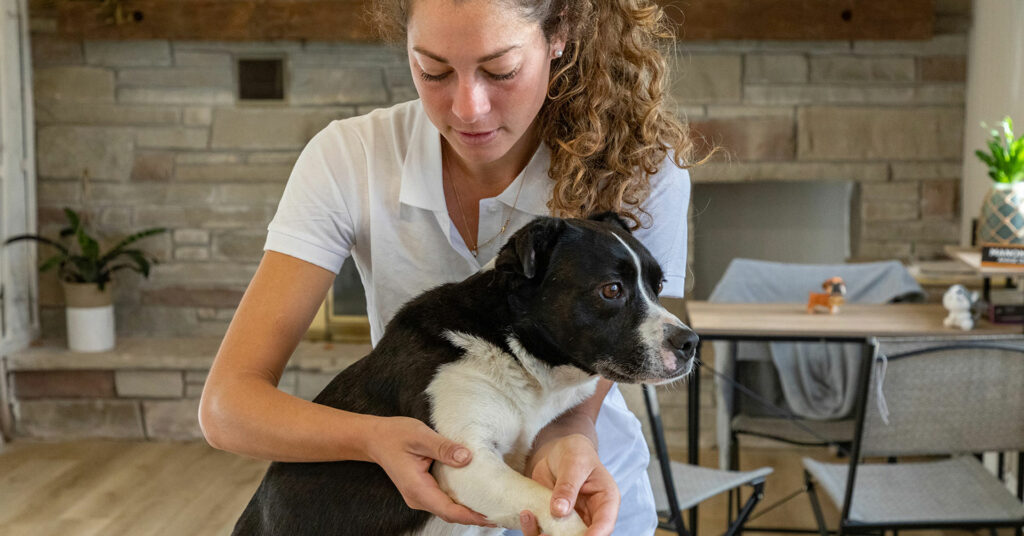
Animal rehabilitation is a structured medical programme that combines osteopathy, physiotherapy and complementary therapies to restore mobility, reduce pain and improve quality of life in pets. It supports recovery after orthopaedic surgery, helps manage chronic conditions such as arthritis and hip dysplasia, and addresses neurological disorders that affect movement and coordination.
Treatment plans are individualised based on the animal’s species, age, diagnosis and daily activity level. At Manimal in Ontario, certified animal osteopath Manon works with dogs, cats and horses — combining hands-on osteopathic care with targeted physiotherapy protocols adapted to each patient.
What Is Animal Rehabilitation?
Animal rehabilitation is a structured medical process designed to help pets regain physical function, reduce pain and recover from illness, injury or surgery. It draws on a range of evidence-informed modalities, each selected to match the animal’s specific condition and stage of recovery.
Rehabilitation is not reserved for post-surgical cases. Dogs with chronic hip dysplasia, cats with reduced mobility after a fall, horses recovering from performance strain — all benefit from a structured programme. The goal is always the same: return the animal to its optimal level of function.
Modalities commonly used in animal rehabilitation :
- Osteopathy — manual techniques that release musculoskeletal restrictions and restore structural balance
- Physiotherapy — targeted exercises and physical modalities that rebuild strength and mobility
- Laser therapy — reduces inflammation and promotes cellular regeneration without discomfort
- Hydrotherapy — low-impact movement in water that supports recovery while protecting joints
- Acupuncture — stimulates specific points to improve circulation and relieve chronic pain
Osteopathy vs Physiotherapy: Key Differences
Osteopathy treats the body as a whole system — releasing fascial restrictions and restoring structural balance — while physiotherapy targets specific muscle groups and joints using therapeutic exercise and physical modalities. Both approaches are evidence-informed and are regularly combined for optimal results in veterinary rehabilitation.
The distinction matters when choosing a treatment path. A dog with post-TPLO weakness needs targeted muscle rebuilding through physiotherapy. A horse with gait asymmetry linked to thoracic tension will often respond better to osteopathic manual release first. In most complex cases, the two work together.
Criterion | Osteopathy | Physiotherapy |
Core principle | Whole-body structural balance — releases fascial and musculoskeletal restrictions | Targeted functional restoration — rebuilds strength and mobility in specific areas |
Primary techniques | Manual adjustment, soft tissue release, craniosacral therapy | Therapeutic exercise, TENS, laser, hydrotherapy, massage |
Typical indications | Spinal disorders, gait asymmetry, post-trauma compensation patterns | Post-surgical recovery, muscle atrophy, joint rehabilitation |
Session length | 30 to 60 minutes | 30 to 45 minutes |
Best used when | Structural imbalance, chronic compensatory tension, preventive care | Specific functional deficit, post-op protocol, muscle weakness |
Conditions That Benefit from Animal Rehabilitation
Post-surgical recovery, hip dysplasia, intervertebral disc disease and chronic arthritis are among the conditions that respond best to structured animal rehabilitation. The following cases are among the most common presentations seen in clinical practice.
How Osteopathy Helps Dogs, Cats and Horses
Osteopathic treatment in animals targets fascial restrictions and spinal imbalances to reduce compensatory pain and improve overall movement patterns. The techniques are adapted to each species — in both anatomy and tolerance for manual handling.
Dogs
Canine osteopathy relieves compensatory pain that develops when a dog adjusts its posture to protect an injured or painful area. A dog recovering from TPLO surgery will often overload the opposite hip and lumbar spine within weeks. Manual osteopathic treatment releases these secondary tensions before they become structural problems.
Sporting and working dogs benefit from preventive osteopathic sessions to maintain peak musculoskeletal balance. Senior dogs with progressive hip degeneration gain measurable mobility improvements, even when surgical intervention is no longer appropriate.
Cats
Cats mask pain exceptionally well. By the time a cat shows visible signs of stiffness or reluctance to jump, the underlying musculoskeletal restriction is often well established. Feline osteopathy addresses these patterns early — particularly following fractures, disc injuries or post-surgical recovery from spinal procedures.
Techniques used for cats are gentler and shorter than those for dogs. The animal’s responses to palpation are the primary clinical indicator, since cats rarely vocalise discomfort.
Horses
Equine osteopathy targets back tension, thoracic restrictions and sacroiliac imbalances that affect movement symmetry and performance. Horses under regular training load develop compensatory patterns that, if left unaddressed, lead to chronic lameness or behavioural resistance under saddle.
Post-competition recovery, asymmetric muscle development and the aftermath of a fall or trailer accident are common reasons owners bring horses to Manimal.
What to Expect During a Rehabilitation Session
A typical animal rehabilitation session at Manimal begins with a postural assessment and ends with a personalised home care plan. Most sessions run between 30 and 60 minutes, depending on the animal’s condition and tolerance on the day.
Why Choose Manimal for Animal Rehabilitation in Ontario
Manimal offers certified osteopathic care for animals across Ontario, combining hands-on manual treatment with personalised rehabilitation plans built around each animal’s diagnosis, lifestyle and recovery goals.
What is animal rehabilitation and when is it needed?
Animal rehabilitation is a structured medical programme that uses physical therapies — including osteopathy, physiotherapy, laser treatment and hydrotherapy — to help pets regain mobility and reduce pain. It is recommended after orthopaedic surgery, following injuries, or to manage chronic conditions such as arthritis, hip dysplasia and intervertebral disc disease. It is suitable for dogs, cats and horses at any life stage.
What is the difference between animal osteopathy and physiotherapy?
Animal osteopathy treats the body as an interconnected system, using manual techniques to release musculoskeletal tension, improve fascial mobility and restore structural balance. Physiotherapy focuses on rebuilding strength and function in specific areas through targeted exercises and modalities such as TENS or laser therapy. Both approaches are evidence-informed and are regularly combined for optimal recovery outcomes.
How many rehabilitation sessions will my pet need?
The number of sessions depends on the severity of the condition and the animal’s individual response to treatment. Acute post-surgical cases typically require 4 to 8 sessions over 4 to 6 weeks. Chronic conditions such as arthritis may benefit from ongoing monthly maintenance sessions. At Manimal, a personalised plan is provided following the initial assessment — there is no fixed package imposed before the diagnosis.
Is animal osteopathy suitable for cats and horses, not just dogs?
Yes. Osteopathic and physiotherapy techniques are adapted for cats, dogs and horses, accounting for each species’ anatomy, size and temperament. At Manimal in Ontario, Manon provides tailored rehabilitation for all three species — with specific protocols for feline mobility disorders, canine post-surgical recovery, and equine performance management and injury rehabilitation.
