Can osteopathy help dogs with cancer ?
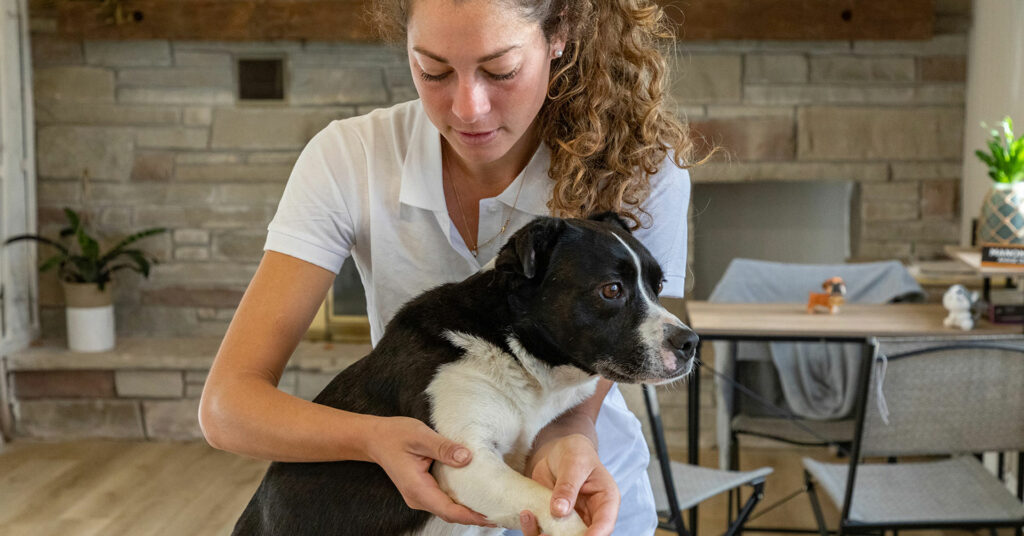
When a dog is diagnosed with cancer, most pet owners immediately look for ways to ease discomfort, reduce stress, and support overall well-being. Alongside essential veterinary treatments, osteopathy can offer a gentle, complementary layer of comfort, helping dogs feel calmer, more at ease in their bodies, and better supported day to day. In this context, osteopathy focuses on softness, presence, and a more harmonious physical experience rather than on treating the cancer itself.
What Osteopathy Can Offer a Dog Undergoing Cancer Treatment
Osteopathy uses gentle manual techniques that aim to improve tissue suppleness, ease muscular tension, and support fluid movement throughout the body. These non-invasive techniques may provide a deeply relaxing, soothing experience for dogs who feel stiff, anxious, or emotionally fragile.
For some families, integrating osteopathy into a broader care plan—such as the Bold Osteopathy cancer in dogs approach—can help restore a sense of physical comfort, support body awareness, and create brief but meaningful moments of calm during a difficult time.
A Gentle Companion to Veterinary Cancer Therapies
Veterinary oncology remains the foundation of care. Pain management, medication, nutritional support, gentle physiotherapy, and regular medical monitoring are all essential elements of treating cancer in dogs. Osteopathy does not replace these therapies.
Instead, it can complement them by focusing specifically on the dog’s physical comfort and emotional state. In the setting of cancer care, osteopathy becomes an additional layer of compassionate support, offering careful, respectful touch and attentive presence that sit alongside conventional medical treatment.
How Osteopathy May Improve Daily Comfort
Many dogs living with cancer experience secondary tension or stiffness linked to reduced activity, protective postures, discomfort, or stress. Over time, this can contribute to muscle tightness, changes in mobility, or restlessness.
Gentle osteopathic sessions may help to:
- release some of these physical tensions
- promote relaxation and a sense of grounding
- support easier, more comfortable movement within the dog’s abilities
This can be especially meaningful for senior dogs or dogs recovering from treatments such as surgery or chemotherapy. The goal is not to cure the disease, but to improve day-to-day comfort and help the dog experience more moments of ease and emotional balance.
Adapting Care to Your Dog’s Individual Needs
Every dog and every cancer diagnosis is different. The type of cancer, the stage of disease, the dog’s age, energy level, temperament, and general health all influence what kind of supportive care is appropriate.
Observing how your dog responds to touch, rest, movement, and periods of stress can help guide decisions. An experienced canine osteopath will typically:
- adjust techniques to match your dog’s tolerance and condition
- work around sensitive or painful areas
- coordinate, when possible, with your veterinary team
Thoughtfully integrated into an overall plan, osteopathy can support comfort and emotional well-being in a personalized way that respects your dog’s limits and medical needs.
Building a Holistic Comfort Plan
Osteopathy is often most effective when it is part of a multimodal, holistic approach to comfort. Along with veterinary care, it may be combined with:
- appropriate nutrition and hydration
- physiotherapy or gentle, vet-approved exercise
- environmental adjustments (bedding, ramps, non-slip surfaces)
- emotional support and a calm, predictable routine at home
Within such a plan, osteopathy adds a tactile, body-focused dimension that helps many dogs relax, release tension, and maintain a sense of inner balance for as long as possible.
Making an Informed and Loving Decision
If you feel osteopathy might benefit your dog, speaking first with your veterinarian is an important step. They can help you determine:
- whether osteopathy is appropriate at your dog’s stage of illness
- which areas of the body should be avoided or handled with extra care
- how often sessions might reasonably be considered
Consulting a certified canine osteopath with experience in working alongside veterinary oncology is also key. Together, these professionals can help shape a supportive routine that prioritizes comfort, safety, and emotional calm.
Osteopathy as a Gentle Ally, Under Veterinary Guidance
For dogs living with cancer, osteopathy can offer a calm, soothing experience that supports relaxation, emotional reassurance, and mobility within the dog’s limits. It does not treat or cure cancer, but it can be a valuable complementary option when carefully integrated into a veterinarian-led care plan.
By combining veterinary medicine, thoughtful home care, and, when appropriate, osteopathy, many families feel they are offering their dog the most compassionate, comfortable experience possible during a challenging chapter of life. Always discuss any new supportive therapy with your veterinarian to ensure it fits safely and harmoniously into your dog’s personalized care.
You may consider it if your dog shows stiffness, tension, or trouble relaxing. Many owners exploring osteopathy for cancer in dogs use it to support daily comfort alongside medical care.
Yes, gently applied techniques can help release muscle tension and promote calmness. In the context of osteopathy for cancer in dogs, the goal is simply to enhance comfort.
It can be, as long as your veterinarian agrees. When used responsibly, osteopathy for dogs with cancer works as a supportive method, not a replacement for oncology treatments.
Improvement often shows through smoother movement, better rest, or a more relaxed attitude. Dogs receiving osteopathic support during cancer typically display small but meaningful comfort gains.
No. While it can ease tension and improve well-being, osteopathy in canine cancer cases remains complementary. Only veterinary medicine can diagnose or treat the disease.
Frequency depends on your dog’s energy and comfort level. Many practitioners suggest occasional sessions, as osteopathic care for dogs with cancer should always remain gentle and tailored.
