How Dog Rehabilitation Helps Prevent Long-Term Injuries?
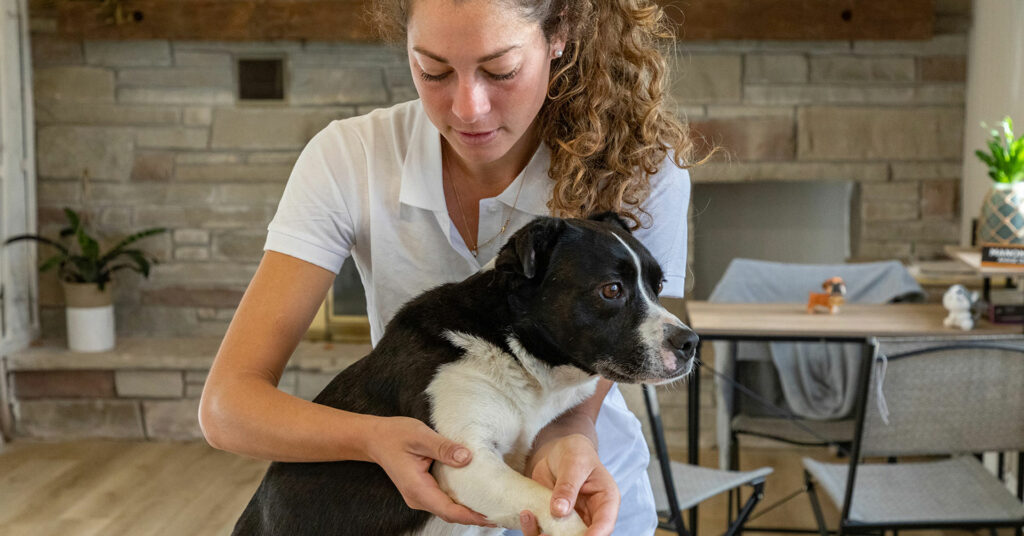
Understanding the Role of Rehabilitation Dog Care in Injury Prevention
Dog rehabilitation is often associated with recovery after surgery or trauma. However, its preventive value is equally important. A structured rehabilitation dog program does not only aim to restore function after injury. It also seeks to identify movement deficiencies, muscular imbalances, and compensatory patterns that may contribute to future problems.
In clinical practice, many long-term injuries do not appear suddenly. They develop progressively due to altered biomechanics, insufficient muscle support, repetitive strain, or incomplete recovery after minor incidents. Rehabilitation focuses on restoring coordinated movement, joint stability, and muscular symmetry. By addressing these factors early, it reduces cumulative mechanical stress on tissues.
Preventive rehabilitation begins with a functional assessment. Gait observation, posture analysis, range of motion testing, and palpation allow practitioners to detect subtle restrictions. These findings may not yet produce visible lameness, but they can indicate areas at risk. Early intervention supports long-term structural resilience.
Rehabilitation Animal Principles and Functional Adaptation
Rehabilitation animal medicine is grounded in the understanding that the musculoskeletal system functions as an integrated whole. A restriction in one joint can modify weight distribution, alter muscle recruitment, and increase strain elsewhere. Over time, these compensations may overload tendons, ligaments, or cartilage.
Preventive rehabilitation works by improving proprioception, strength, endurance, and neuromuscular coordination. Controlled exercises stimulate joint stabilization and enhance the body’s capacity to adapt to physical demand. The goal is not simply stronger muscles, but better timing and coordination between muscle groups.
For active dogs, especially those engaged in agility, working roles, or high levels of play, repetitive movements can create asymmetries. Rehabilitation helps redistribute mechanical forces more evenly. By maintaining balanced mobility and strength, the likelihood of chronic overload decreases.
Early Detection of Compensatory Patterns
One of the most significant contributions of dog rehabilitation is early detection. Many chronic injuries stem from unresolved minor dysfunctions. A slight limitation in hip extension, for example, may lead to increased lumbar tension. Reduced shoulder mobility may overload the elbow joint.
Through regular functional evaluations, practitioners can detect these patterns before structural damage occurs. Rehabilitation exercises can then be tailored to restore normal joint mechanics and muscle activation. This process reduces the risk of tendinopathy, ligament strain, and degenerative joint changes.
In this context, prevention is not based on prediction but on observation and correction of present imbalances.
Strengthening Without Overloading
A common misunderstanding is that exercise alone prevents injury. In reality, inappropriate or excessive loading may accelerate tissue fatigue. Rehabilitation dog protocols are structured to increase strength progressively, respecting tissue healing timelines and adaptive capacity.
Therapeutic exercises may include controlled weight shifting, balance work, underwater treadmill sessions, or targeted strengthening routines. These interventions are introduced gradually and monitored closely. The objective is to improve load tolerance without creating new stress.
Progression is based on objective reassessment. Muscle symmetry, gait quality, and fatigue response guide adjustments in intensity. This structured approach differs from general exercise because it is individualized and clinically supervised.
Rehabilitation Animal Care for Aging Dogs
As dogs age, physiological changes affect joint cartilage, muscle mass, and connective tissue elasticity. Reduced activity can accelerate muscular atrophy, which in turn decreases joint stability. This cycle increases susceptibility to long-term injuries.
Rehabilitation animal programs for senior dogs aim to maintain mobility and support joint function. Gentle strengthening and controlled mobility work can slow the decline in muscular support. By preserving coordination and balance, rehabilitation reduces the likelihood of falls or compensatory overload.
Preventive rehabilitation in older dogs does not aim to reverse aging. It aims to maintain functional autonomy for as long as possible.
Integration With Veterinary and Osteopathic Care
Dog rehabilitation should not be viewed in isolation. Collaboration with veterinarians and complementary manual therapists supports comprehensive care. Diagnostic imaging, medical treatment, and pain management remain essential when pathology is present.
From my perspective as an osteopath at Manimal, rehabilitation complements manual therapy. Osteopathic work may restore mobility in restricted tissues, while rehabilitation consolidates these gains through active neuromuscular training. This combination enhances durability of results.
Long-term injury prevention depends on consistency rather than isolated intervention. Regular reassessment, adapted workload, and clear communication between professionals contribute to sustainable outcomes.
Long-Term Outcomes and Measurable Benefits
Evidence in veterinary rehabilitation literature indicates that structured therapeutic exercise improves functional recovery after orthopedic procedures and reduces recurrence of injury in certain conditions. Improved muscle strength, joint stability, and proprioception are measurable outcomes associated with reduced re-injury risk.
Prevention cannot eliminate all injuries. However, it can reduce modifiable risk factors. By maintaining balanced movement patterns and adequate strength, dogs are better equipped to tolerate physical stress over time.
In summary, dog rehabilitation supports long-term injury prevention by identifying functional deficits early, restoring coordinated movement, improving tissue resilience, and integrating care within a broader veterinary framework.
How does dog rehabilitation reduce the risk of future injuries?
Dog rehabilitation improves muscle balance, joint stability, and coordination. By correcting compensatory patterns and strengthening supporting tissues, it reduces abnormal mechanical stress. This lowers the likelihood of chronic overload injuries such as ligament strain or tendinopathy.
When should a dog start rehabilitation for preventive purposes?
Preventive rehabilitation can begin when subtle gait asymmetries, stiffness, or reduced performance are observed. Active and working dogs benefit from early assessments, even without overt injury, to identify risk factors before structural damage develops.
Is rehabilitation animal therapy only for dogs recovering from surgery?
No. While commonly used after surgery, rehabilitation animal therapy is also applied preventively. It supports musculoskeletal balance, especially in athletic, aging, or high-demand dogs, helping reduce long-term injury risk.
How often should preventive rehabilitation sessions be scheduled?
Frequency depends on activity level, age, and clinical findings. Some dogs require periodic evaluations, while others in high-demand disciplines may benefit from structured programs. Scheduling should be individualized and coordinated with veterinary guidance.
Can rehabilitation replace veterinary treatment?
No. Rehabilitation complements veterinary care but does not replace diagnosis or medical treatment. When structural pathology or systemic disease is present, veterinary intervention remains essential.
