Find the right rehabilitation animal program for your pet
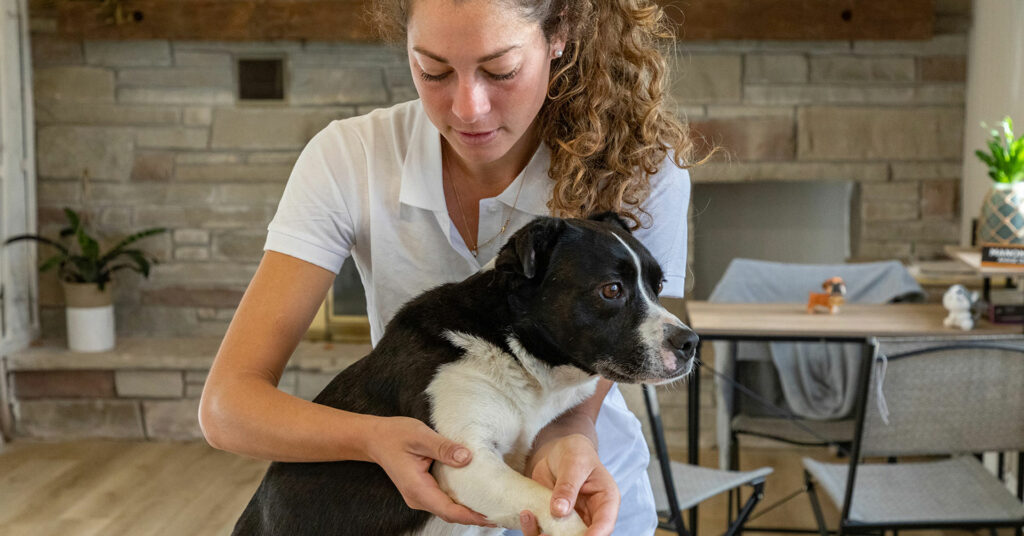
Choosing an animal rehabilitation plan is about far more than booking a few sessions and hoping for the best. It’s about understanding your companion’s body, reading subtle signs of discomfort, and partnering with qualified professionals who tailor care with empathy and precision. Felines, for instance, have uniquely agile skeletons, light frames, more than 50 vertebrae, elastic discs, and they compensate silently when something hurts—which is why issues are often missed until changes in mobility appear. That’s precisely where a thoughtful pet rehabilitation approach, rooted in gentle assessment, hands-on techniques, and a follow-up schedule, can restore comfort, confidence, and quality of life. In this guide, inspired by modern feline osteopathy practice, you’ll learn how to select a program that respects your pet’s species, age, lifestyle, and medical history, while keeping the process reassuring for both of you. Cats and dogs share many needs in common, yet each species also benefits from specific, well-timed interventions designed to relieve pain, improve range of motion, and support long-term well-being. Cats’ flexible spines and shock-absorbing frames, for example, make them superb jumpers, but also susceptible to silent strains, arthritis, or post-fall aches that respond well to skilled manual therapy.
Animal rehabilitation & pet rehabilitation: read the signs, define the goals
A great animal rehabilitation journey begins with observation. Early signs can look minor: a cat hesitating to jump onto the couch; a dog struggling to lie down smoothly; a sudden flinch when petted; or a reduced appetite that accompanies digestive discomfort. These small shifts often reflect musculoskeletal tension or joint pain and, in cats, they can be the first—and only—clues. Your first step is to log what you see: changes in activity, posture, grooming, play, or litter-box behaviour (for felines), plus reluctance to climb, stiffness after naps, or an uneven gait (for dogs). Bring that timeline to your practitioner so you can agree on goals: pain reduction, better mobility, ease with daily movements (standing, sitting, jumping), and a calm, positive demeanour. Thoughtful pet rehabilitation plans also consider life stage. Kittens and adolescent dogs may need re-education after growth spurts or tumbles; seniors benefit from joint care that keeps them comfortable and engaged. Don’t forget the “invisible” factors: stress can tighten tissues and amplify pain. Gentle, calming sessions can reduce physical tension linked to stress—particularly helpful for sensitive cats who internalize discomfort.
Animal rehabilitation for cats (with rehabilitation parallels for dogs): what a session addresses. When you choose a practice grounded in feline osteopathy, expect a full-body approach. Skilled hands assess joint play, soft-tissue glide, spinal mobility, and visceral motion to find the true source of discomfort—not just where your pet shows it. Indications include prevention (treating small dysfunctions before the body compensates), growth and senior follow-ups, post-operative support, help after shocks or falls, and care around breeding or nursing. Common reasons to consult range from lameness and stiffness to difficulty getting up, sitting, or jumping; sudden sensitivity when stroked; or behaviour change. Digestive complaints without a clear medical cause may also improve when mobility and circulation are restored. Many clinics note benefits in concurrent respiratory, dermatological, orthopaedic, urinary, and ear issues, when appropriate and in collaboration with your veterinarian. The rehabilitation pathway for dogs follows the same logic: combine gentle manual therapy with targeted exercises and home-care advice to protect joints, encourage symmetrical movement, and avoid compensation patterns that store up future pain. For cats—masters of disguise—this whole-pet lens is especially valuable, helping them return to lithe, effortless motion.
Dog rehabilitation & pet rehabilitation: methods, cadence, and teamwork that work
Methods in an animal rehabilitation program are intentionally soft, precise, and species-respectful. Think joint mobilization, myofascial release, craniosacral and visceral techniques where indicated, and careful progression to therapeutic movement. Sessions should feel unhurried and kind, with the practitioner adapting touch to your pet’s temperament. Cats typically benefit from regular follow-up—often two to four sessions per year for maintenance—while dogs’ schedules vary with activity level, age, and orthopaedic history. Post-surgery or post-injury plans are more intensive at first, then taper as function returns. Budgeting matters, too: reputable practices clearly state fees by species and location, sometimes with reduced rates for shelters or multiple animals—a sign they understand that care must be accessible as well as effective. Above all, the best outcomes come from teamwork: your osteopath or rehab professional coordinates with your veterinarian, and you carry simple home routines forward—short, pain-free exercises, protected movement, and an environment set up for success (ramps, non-slip surfaces, raised bowls where appropriate). Together, that continuity turns each session into lasting comfort.
Animal rehabilitation: tracking progress and choosing with confidence
As a guardian, you’re the expert on your companion’s “normal.” Use that insight to choose a pet rehabilitation program that listens to your observations, explains findings in plain language, and proposes a plan you can follow. Expect measurable milestones: easier transitions up and down; smoother grooming or play; restored jumping or stair use; calmer touch; brighter mood. For cats, remember how silently they compensate; regular, preventive check-ins can keep those elegant spines supple and pain-free. For dogs, combine manual therapy with sensible movement and joint care to protect against wear and tear. If you’re comparing providers, weigh three things: species expertise (cat-savvy hands are non-negotiable for felines); clear indications and follow-up cadence (maintenance often 2–4 times a year); and a collaborative stance with your vet. With those anchors, “dog rehabilitation” or “pet rehabilitation” stops being a generic label and becomes a compassionate path back to comfort—one that honours how animals move, heal, and thrive when we meet them with patience, skill, and heart.
